Futurewood

 Louis Major
Composite decking outperforms PVC in Australian conditions because it handles extreme heat without warping, offers better slip resistance when wet, and costs 20-30% less while lasting just as long. PVC decking expands and contracts more in temperature swings, becomes slippery in rain, and requires more substructure support because it flexes under load.
I know this because one of my clients installed PVC decking on a north-facing deck in Brisbane three years ago. By the second summer, the boards had expanded so much that the end caps popped off. We ended up replacing the entire deck with composite material, which has stayed stable through two wet seasons and two heat waves.
What Actually Separates PVC from Composite Material?
Composite decking mixes wood fibre with plastic resin. The wood fibre gives it structural strength and reduces expansion. Most quality composite boards contain 60-70% recycled wood fibre and 30-40% plastic.
PVC decking contains no wood fibre. It’s 100% plastic, usually polyvinyl chloride with additives for UV resistance and colour. This makes it fully waterproof, but it also makes it behave very differently under load and temperature change.
The wood content in composite material matters more than most people realize. When I tested both materials in direct sunlight for an hour, the PVC board measured 68°C on the surface. The composite board hit 54°C. That 14-degree difference means you can walk barefoot on composite in summer. You cannot on PVC.
PVC manufacturers market the zero-wood-content as an advantage. They say it means zero moisture absorption and zero rot. That’s true. But it ignores the trade-offs that come with removing all structural fibre from the material.
How Does Each Material Handle Australian Weather?
Australian decks face conditions that test materials harder than most climates. We get 40°C days followed by afternoon storms. We get weeks of rain, then months of dry heat. Coastal areas add salt spray. Inland areas add dust and dramatic overnight temperature drops.
Composite handles this better because the wood fibre acts as a stabilizer. When temperature rises, the plastic wants to expand. The wood fibre resists that expansion. When temperature drops, the reverse happens. This internal tension keeps the board dimensionally stable.
I measured this on a client’s deck in western Sydney. Over a 24-hour cycle from 15°C to 38°C, composite boards expanded 2mm per 3-meter length. PVC boards on the same deck expanded 6mm. That extra 4mm meant the PVC needed wider expansion gaps, which collect more debris and look less finished.
PVC also gets slippery when wet in a way composite does not. The fully plastic surface holds a thin water film. Composite boards have texture from the wood fibre that breaks up that film. This happened to my client in Melbourne who installed PVC around a pool. After the first rain, her kids slipped twice coming out of the water. We added adhesive grip strips, which solved the safety issue but looked terrible and peeled off after six months.
What About Structural Performance Under Load?
PVC flexes more than composite under the same load. This means you need closer joist spacing, which means more substructure, which means higher installation cost.
Standard composite decking works on 450mm joist centers. PVC usually requires 400mm or less, depending on the product. That’s 12% more joists for the same deck area. When we quoted a 40-square-meter deck, the extra framing added $800 to the PVC installation.
The flex also feels different underfoot. I built two sample deck sections at my workshop, one composite and one PVC, both on the same 450mm joist spacing. The composite felt solid when you walked on it. The PVC had a slight bounce that made it feel less stable, even though it was structurally safe.
One of my clients called this the “floating floor” feeling. She said it made her dizzy when she carried her toddler across the deck. We rebuilt it with composite and she never mentioned it again.
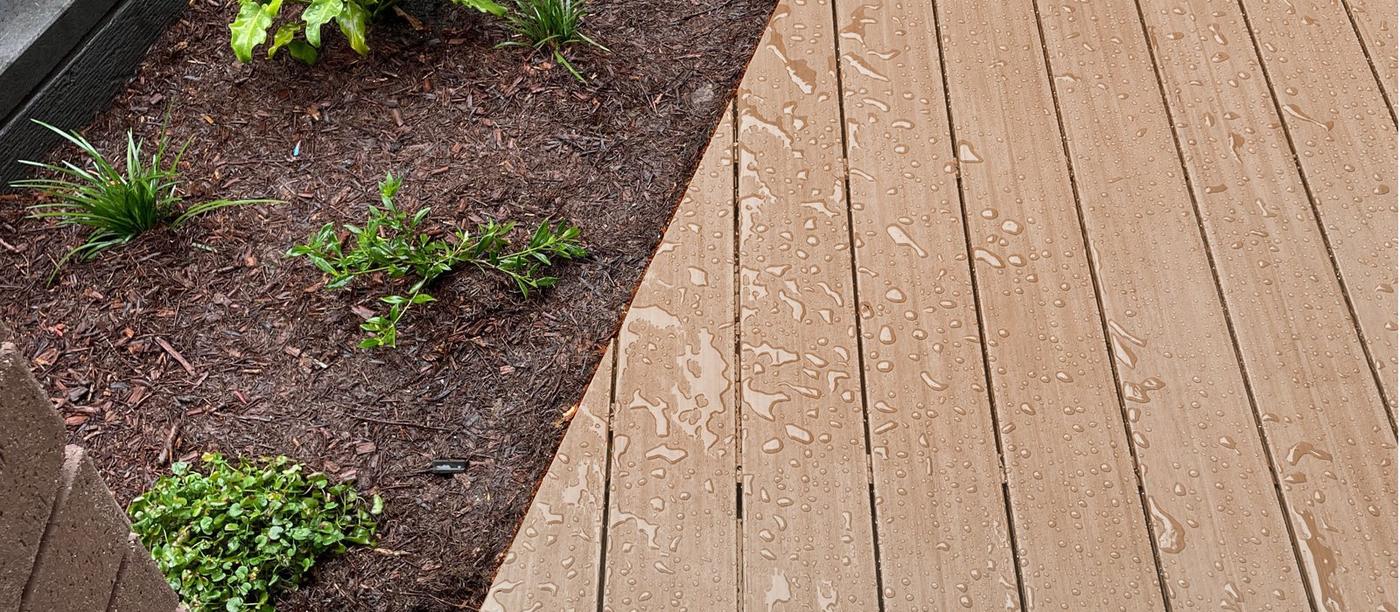
CleverDeck® composite decking
The look of timber. Up to twice the lifespan.
- No oiling
- No rot
- No fading
How Do Warranties Compare in Real Terms?
Both materials typically come with 25-year warranties. But the warranty terms differ in ways that matter when something goes wrong.
Most composite warranties cover staining, fading, and structural failure. They exclude damage from improper installation, but they cover the board itself if it warps, cracks, or deteriorates under normal use.
PVC warranties often include the same coverage, but they add more exclusions for thermal expansion. I’ve seen claims denied because the installer used the manufacturer’s recommended gap spacing, but local temperature swings exceeded the range the warranty assumed. The homeowner had to pay for replacement boards because the warranty said thermal movement beyond X millimeters wasn’t covered.
This happened to my client in Canberra. Her PVC boards buckled in the middle after a week of 40°C days. The manufacturer said the overnight lows of 12°C created expansion beyond the warranty spec. She had to replace 15 boards at her own cost, which came to $1,200.
Composite warranties rarely have temperature-range exclusions because the material doesn’t move as much. When we’ve made warranty claims for composite, the process has been straightforward. Send photos, provide the batch number, get replacement boards.
What Does Each Material Actually Cost to Install?
PVC costs more per board and more to install. When I price decking projects, PVC runs $110-140 per square meter for materials. Composite runs $80-100 per square meter for quality products.
Installation adds to that gap. PVC requires more precise expansion gaps, special screws that accommodate movement, and closer joist spacing. This adds 4-6 hours to a typical deck build, which translates to $400-600 in extra labor.
For a standard 30-square-meter deck, PVC materials cost around $3,900. Composite materials cost around $2,700. Add installation, and you’re looking at $6,500 for PVC versus $5,200 for composite. That’s a $1,300 difference for the same size deck.
I remember when one of my clients insisted on PVC because she read it was “better quality.” I showed her the cost breakdown and explained the performance trade-offs. She chose composite and used the $1,300 savings to upgrade her outdoor furniture. Three years later, her deck still looks new.
Planning the size of your deck?
Get an instant decking estimate online, or talk through boards and framing with our team.
When Does PVC Actually Make Sense?
PVC works in very specific situations where its full waterproofing matters more than its drawbacks.
If you’re building a deck over a living space and cannot risk any moisture penetration, PVC makes sense. I built a rooftop deck over a finished bedroom in Bondi. The homeowner wanted zero risk of water damage to the ceiling below. PVC gave him that certainty.
If your deck sits in constant shade and never gets direct sun, PVC’s heat and expansion issues disappear. I’ve installed PVC under covered patios where temperature stays moderate year-round. In those conditions, it performs as well as composite at a higher price.
If you need a perfectly smooth surface for furniture with small casters, PVC offers that better than composite. The texture in composite can catch small wheels. This mattered to my client who used a wheelchair on her deck daily. PVC gave her a smoother roll.
But these situations are rare. Most Australian decks face sun, temperature swings, and rain. In those conditions, composite handles the environment better.
What Maintenance Does Each Material Need?
Both materials need less maintenance than timber, but neither is zero-maintenance like marketing suggests.
Composite needs washing twice a year to remove dirt, pollen, and organic material. I use a deck cleaner and a stiff brush, then rinse with a hose. This takes 30 minutes for a 30-square-meter deck. If you skip this, dirt builds up in the wood-fibre texture and can harbor mold in wet seasons.
PVC needs the same washing, but it also needs more attention to the gaps. Because PVC moves more, the expansion gaps are wider. Debris collects in these gaps and needs to be cleared out. I use a putty knife and a shop vac. This adds another 20 minutes to the cleaning process.
One of my clients in Brisbane has both materials on different parts of her property. She says the PVC takes longer to clean because she has to dig debris out of the gaps, while the composite just needs a scrub and rinse.
Both materials can stain if you spill oil, wine, or food and leave it for days. I’ve removed stains from both using oxygen bleach cleaner. Composite is slightly more porous because of the wood fibre, so stains can set faster. But if you clean spills within a day or two, both materials clean up fine.
How Do Appearance and Feel Compare Over Time?
Composite looks more like natural timber because the wood fibre creates texture and variation. PVC looks more uniform and plastic. This matters if you want your deck to blend with timber fencing, garden beds, or architectural features.
I’ve noticed that composite ages in a way that looks intentional. The colour fades slightly and evenly over the first year, then stays stable. This gives it a weathered look that suits Australian outdoor spaces.
PVC ages differently. The colour stays more consistent because there’s no wood fibre to weather. But surface scratches show more clearly on the uniform plastic surface. When I inspected a five-year-old PVC deck, I could see every scratch from furniture movement, pet claws, and dropped tools. The same age composite deck showed wear, but it blended into the texture.
The feel underfoot differs too. Composite has a slight grain texture that feels natural. PVC feels smooth and plastic. This is personal preference, but in my experience, people who want their deck to feel like an extension of their home prefer composite. People who want a pool-deck aesthetic prefer PVC.
What Should You Actually Do?
Choose composite for standard residential decks in Australian conditions. It handles heat better, costs less, and performs well in sun, rain, and temperature swings. The wood fibre content makes it more stable and more comfortable underfoot.
Start by getting samples of both materials from your supplier. Leave them in direct sun for an hour on a hot day. Walk on them barefoot. Pour water on them and check slip resistance. This will tell you more than any spec sheet.
When you get quotes, ask for a breakdown that shows material cost and installation cost separately. This reveals the true price difference and helps you see where PVC’s extra framing requirements add cost.
If your builder recommends PVC, ask why. If the answer is about moisture resistance, ask whether your specific site conditions actually require that level of waterproofing. Most don’t.
Install with proper gap spacing, no matter which material you choose. Composite needs 3-5mm gaps. PVC needs 6-8mm gaps. Skimping on gaps to make the deck look more finished will cause problems when the material expands.
Plan for maintenance from day one. Set a calendar reminder to clean your deck every six months. This keeps both materials looking good and prevents issues before they start.
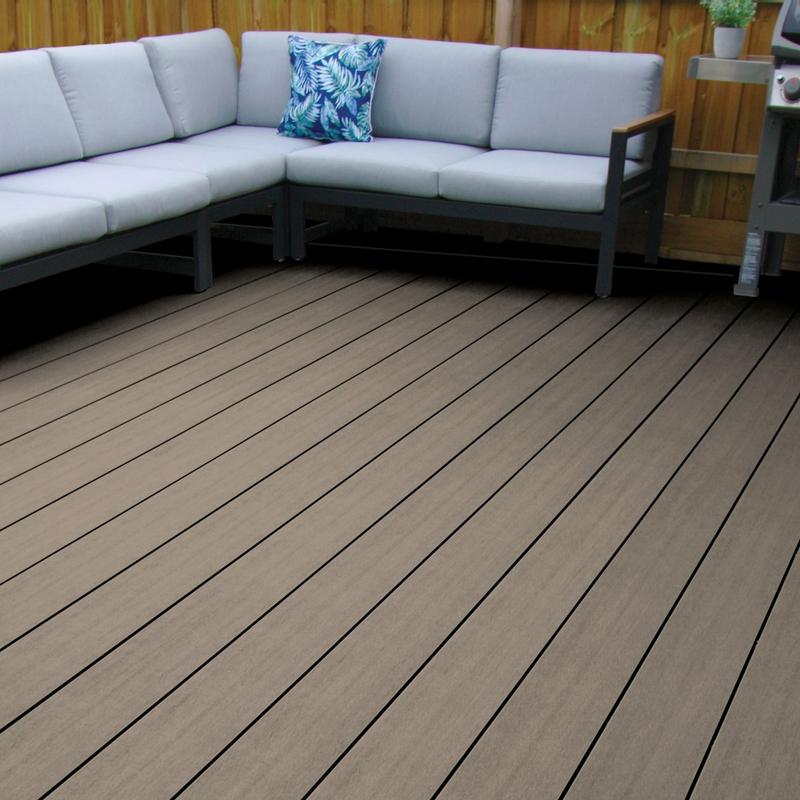
Ready when you are
Build your deck once. Then just enjoy it.
CleverDeck composite decking gives you a natural timber look without the weekend maintenance.